
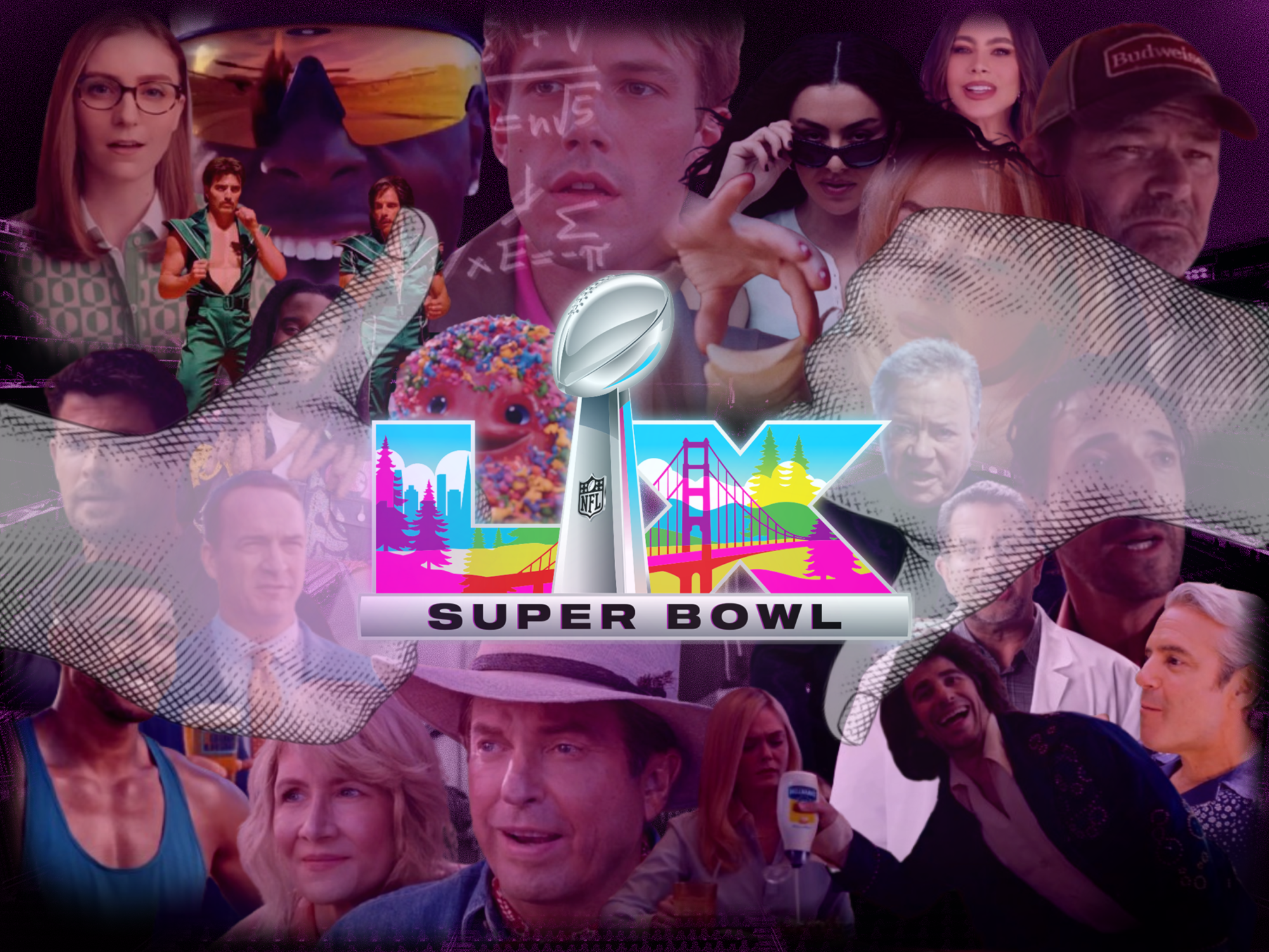
Since its inception in 1967, the Super Bowl has provided companies with the opportunity to creatively advertise their products. This year’s edition, Super Bowl LX, featured more than sixty advertisements, with companies like T-Mobile and Netflix returning once again, while others—such as real estate brokerage Redfin and electrolyte brand Liquid I.V.—made their debut on the big screen.
At the Super Bowl, thirty-second and sixty-second slots that cost upwards of eight million dollars make the task of getting viewers’ attention extremely difficult. Even for the world’s most famous companies, it is one of the riskiest advertising methods possible. With record-setting viewership numbers exceeding 120 million, some companies reaped the benefits of successfully appealing to NFL enthusiasts across the globe, while others were met with mixed or poor reviews.
Best
Perhaps the most successful Super Bowl ad this year was Budweiser’s “American Icons,” which featured a young horse aiding an infant bald eagle in learning how to fly. While the rural, countryside feel of the advertisement didn’t quite stick the landing universally, the ad provided a touching sense of the values that define “American patriotism,” especially given that their target audience lines up pretty well with American football fans.
On the other hand, automaker Cadillac took to the big stage to reveal its brand new Formula One car, marking the team’s official arrival at the pinnacle of motorsport. As the newest team on the grid (Audi/Revolut took over a pre-existing team, Kick Sauber), the company drew massive praise for its car’s stylish livery, bringing even more attention to a sport that has only recently grown in the United States.
Worst
Despite the millions of site visits and hundreds of thousands of new users it brought in, Coinbase’s ultra-minimalist ad left many Super Bowl fans confused for the majority of its sixty-second slot. Viewers were greeted with a karaoke-style singalong to the Backstreet Boys’ “Everybody” – a slight pivot from their viral but cryptic 2022 ad that featured a QR code.
Vodka brand Svedka took a slightly more energetic approach with a group of robots dancing to Rick James’ “Super Freak.” Even though it wasn’t as “minimalist” as the Coinbase ad, it was an AI-generated commercial that felt like a massive flop. For having to spend nearly $8 million for the slot alone, the company could have done a much better job than asking a program like ChatGPT to make its ad.
While it wasn’t an extremely disappointing ad, Liquid I.V. took a strange approach to the Super Bowl spotlight. While its message underscoring the importance of hydration was clear, depicting singing toilets was certainly not at the top of many viewers’ bucket lists–especially those who were in the middle of enjoying their drink or tailgate-style food. Overall, this ad would likely fit well in a “mixed ratings” category.
So, what makes a Super Bowl ad “good?”
There is no secret formula that guarantees overwhelmingly positive reviews or net profits. However, the most successful ads seem to resonate well with both their target audience and the general public. Whether it’s embodying “America’s Game” with classic, patriotic symbols or fueling the hype for an upcoming product, these ads are the ones that “make sense” and bring excitement to their most passionate fans or raise questions for those who are less familiar with them. Perhaps that is what makes Super Bowl ads so highly anticipated: it’s one of the world’s biggest stages, where companies get to unleash their creativity in hopes of leaving an everlasting impact on viewers around the world.